
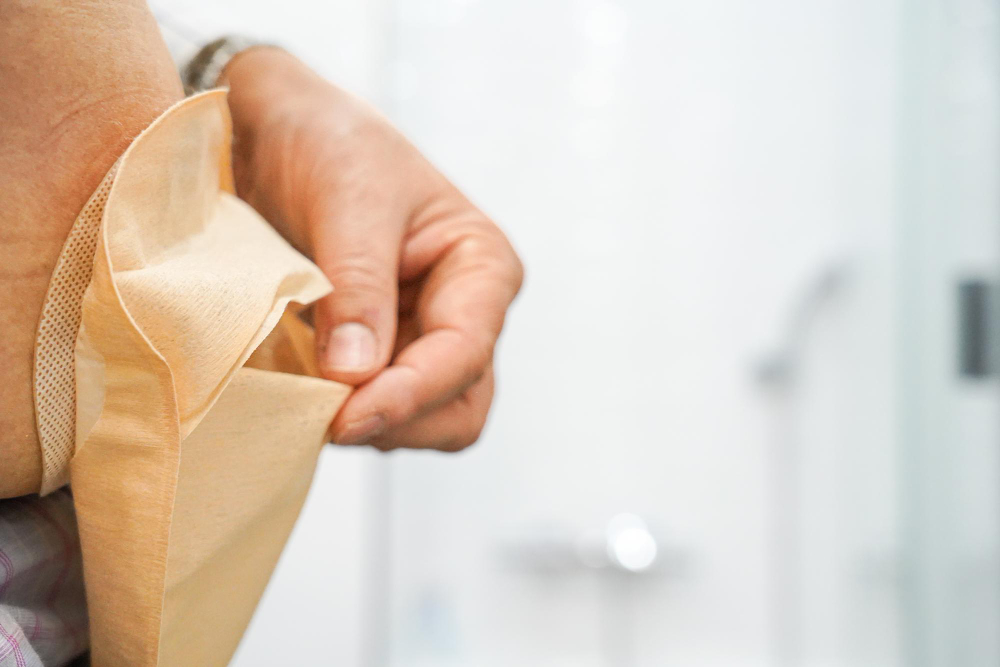
Adjusting to life with a stoma is a significant transition—physically, emotionally, and socially. For most patients, the initial weeks after surgery are filled with unfamiliar routines, questions, and adjustments. At Stanley Wound & Ostomy Care, we support individuals across Kenya as they navigate the early stages of stoma recovery with professionalism, discretion, and evidence-based care.
Whether your stoma is temporary or permanent, understanding what to expect can make a remarkable difference in your comfort, safety, and confidence.
Understanding the Stoma
A stoma is a surgically created opening on the abdomen that allows for the elimination of stool or urine when the normal pathway is impaired. Common types include:
- Colostomy – created from the large intestine
- Ileostomy – formed from the small intestine
- Urostomy – diverts urine through a section of the bowel
Each type has distinct management protocols and patient education needs.
The First Weeks After Surgery: What to Expect
1. Postoperative Healing and Physical Recovery
In the immediate postoperative period, the stoma may appear swollen or moist. This is part of the normal healing process. The skin surrounding the stoma—known as the peristomal skin—requires close monitoring to prevent breakdown, irritation, or infection.
Patients should expect:
- Daily monitoring of stoma size, color, and output
- Routine emptying and changing of the pouching system
- Gradual return to physical activity, avoiding strain on the abdominal wall
2. Learning Stoma Appliance Management
Selecting and applying the right stoma pouch system is crucial for minimizing leakage, protecting the skin, and ensuring dignity.
During the first weeks, patients will learn:
- How to empty and clean the pouch efficiently
- How often to change the appliance (typically every 3 to 5 days)
- Signs of improper fitting, such as leakage, skin redness, or discomfort
At Stanley Wound & Ostomy Care, we offer individualized stoma fitting services and product education, ensuring that each patient uses a system compatible with their body and lifestyle.
3. Nutrition and Hydration Adjustments
Depending on the type of stoma, dietary changes may be necessary to promote normal output and avoid complications such as obstruction or dehydration.
Guidelines include:
- Gradually reintroducing soft, low-residue foods
- Avoiding gas-producing or high-fiber items in the early days
- Maintaining adequate hydration, especially for ileostomy or urostomy patients
A registered ostomy nurse provides ongoing education on dietary strategies tailored to each patient’s needs.
4. Body Image and Emotional Adjustment
Many individuals experience a period of emotional adjustment related to body image, intimacy, and self-confidence. Support from trained professionals and access to counseling or peer support groups can help individuals rebuild their sense of identity and normalcy.
Open, informed discussions about intimacy, clothing options, and travel planning help reduce stigma and empower patients.
5. When to Seek Clinical Support
Early identification of complications is essential for successful recovery. Contact your ostomy nurse or wound care provider immediately if you notice:
- Increased skin irritation or wounds around the stoma
- Pouching system leakage or poor adherence
- Changes in stoma color, size, or function
- Excessive bleeding, odor, or abnormal discharge
Professional Support Matters
Effective stoma care in Kenya requires trained specialists who understand the unique challenges faced by patients in both private and public healthcare settings. At Stanley Wound & Ostomy Care, we provide:
- One-on-one education for patients and caregivers
- Stoma care training for home management
- Assistance in sourcing reliable stoma products locally
- Ongoing reviews for patients with complications or high-output stomas
We work collaboratively with surgeons, physicians, and dietitians to ensure a coordinated approach to care.
Your Partner in Recovery
Living with a stoma is a life-changing journey, but with proper education, support, and clinical oversight, patients can return to work, socialize, travel, and enjoy meaningful lives. Early engagement with an ostomy nurse in Nairobi can prevent complications and empower long-term self-care.
If you or your loved one has recently undergone stoma surgery, schedule a consultation today. We’re here to support your recovery and quality of life.
Contact: Wound & Ostomy Care
Nairobi, Kenya
Call or WhatsApp: +254 701287584
