
Overgranulation is one of those wound care challenges that can easily be misunderstood—especially by patients and even some caregivers. At first glance, it looks like healing is progressing well. The wound appears bright red, moist, and active.
But as someone who manages wounds daily, I can tell you—there’s more going on beneath the surface.
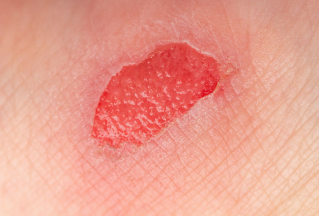
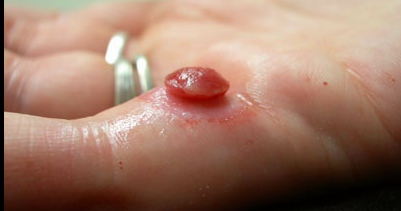
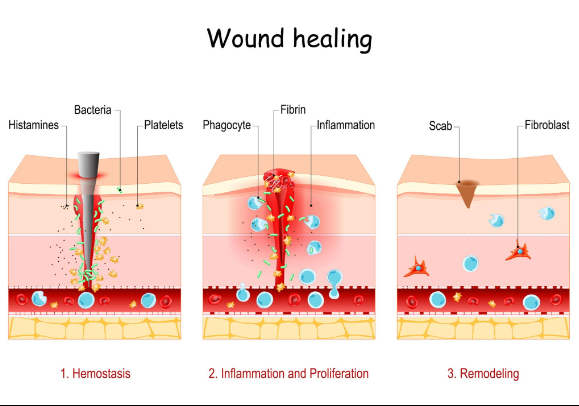
Overgranulation, also known as hypergranulation, occurs when granulation tissue grows beyond the level of the surrounding skin. While granulation tissue is essential for healing, too much of it actually becomes a barrier.
Instead of supporting wound closure, it prevents epithelial cells from migrating across the surface. In simple terms, the wound gets “stuck” in the healing process.
What Most People Don’t See
From the outside, a wound with overgranulation might look like it’s improving. But behind the scenes, managing it requires careful clinical judgment.
Every assessment involves a deeper evaluation:
- Is the wound too moist?
- Is there excessive exudate being retained?
- Could friction or pressure be contributing?
- Is there an underlying low-grade infection?
- Are current dressings appropriate—or part of the problem?
What many people don’t see is that wound care is rarely about a single intervention. It’s a continuous process of reassessment and adjustment.
My Clinical Approach
When I manage overgranulation, I focus on restoring balance—not aggressively removing tissue.
This often includes:
- Moisture control: Adjusting dressings to prevent excessive wetness
- Pressure management: Addressing friction or external forces
- Dressing selection: Choosing materials that support—not overstimulate—tissue growth
- Targeted treatment: Using interventions like silver nitrate cautiously and only when indicated
There is no one-size-fits-all solution. Each wound behaves differently, and treatment must be individualized.
What I’ve Learned
Over time, one lesson has become very clear:
More treatment does not equal better outcomes.
In fact, overgranulation is often the result of well-meaning care that goes too far—too much moisture, too frequent dressing changes, or overuse of certain products.
Effective wound care is about precision. It’s about knowing when to intervene—and when to step back.
What Surprised Me the Most
The biggest surprise in my practice has been how often overgranulation is driven by good intentions.
Patients want to keep wounds “clean and moist.” Caregivers want to protect and accelerate healing. But without proper guidance, these efforts can unintentionally delay recovery.
That’s why education is just as important as treatment.
The Reality Behind Healing
Wound healing is not always linear. It requires patience, observation, and constant adjustment.
Behind every dressing change is a series of decisions. Behind every improving wound is a strategy—not guesswork.
And sometimes, the most important intervention is not adding something new—but stopping something that isn’t working.
Final Thoughts
Overgranulation is a reminder that healing is about balance. Not too much. Not too little. Just what the wound needs.
If you’re managing a wound that doesn’t seem to be improving—or looks “too red” and raised—it may be time for a professional assessment.
Call to Action
Have you ever treated a wound that looked like it was healing—but wasn’t?
Or tried something that seemed right, but didn’t work?
Share your experience or questions below—let’s learn from each other