
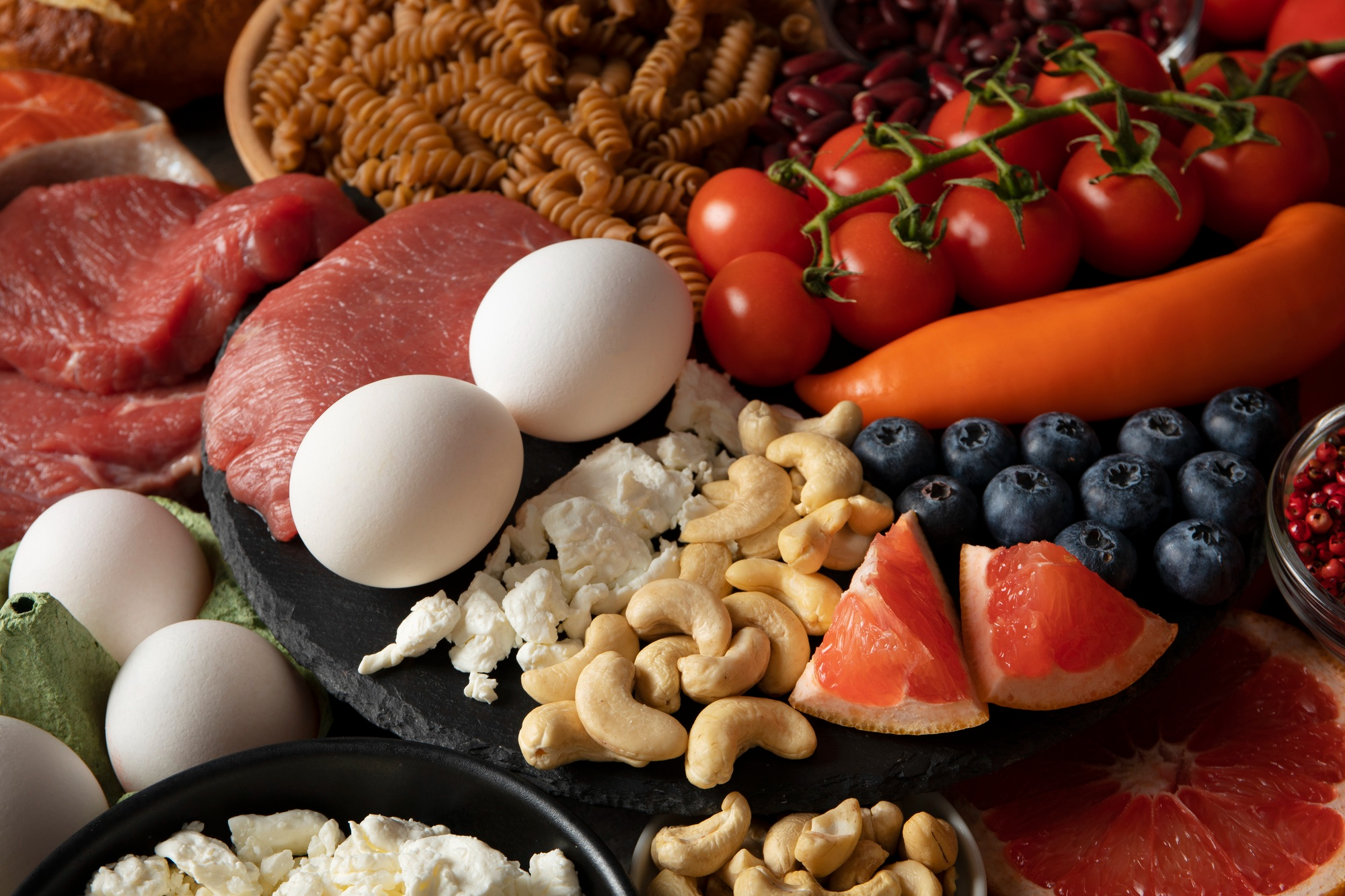
Wound healing is not just about the right dressings and medical care—it also depends heavily on what you eat. Your body needs the right nutrients to rebuild damaged tissue, fight infection, and restore skin integrity. Without adequate nutrition, even the best medical treatment may be slowed down.
In this article, we’ll explore how proteins, vitamins, and hydration play a vital role in wound repair, and share a local Kenyan food guide to help you heal faster and stronger.
1. The Role of Protein in Wound Healing
Protein is the building block of tissue repair. After an injury or surgery, your body requires more protein to make new cells, collagen, and immune cells. Without enough protein, wounds may heal slowly or reopen.
Why Protein Matters:
- Supports collagen production for strong scar tissue.
- Helps build new blood vessels to supply healing tissues.
- Boosts the immune system to fight off infection.
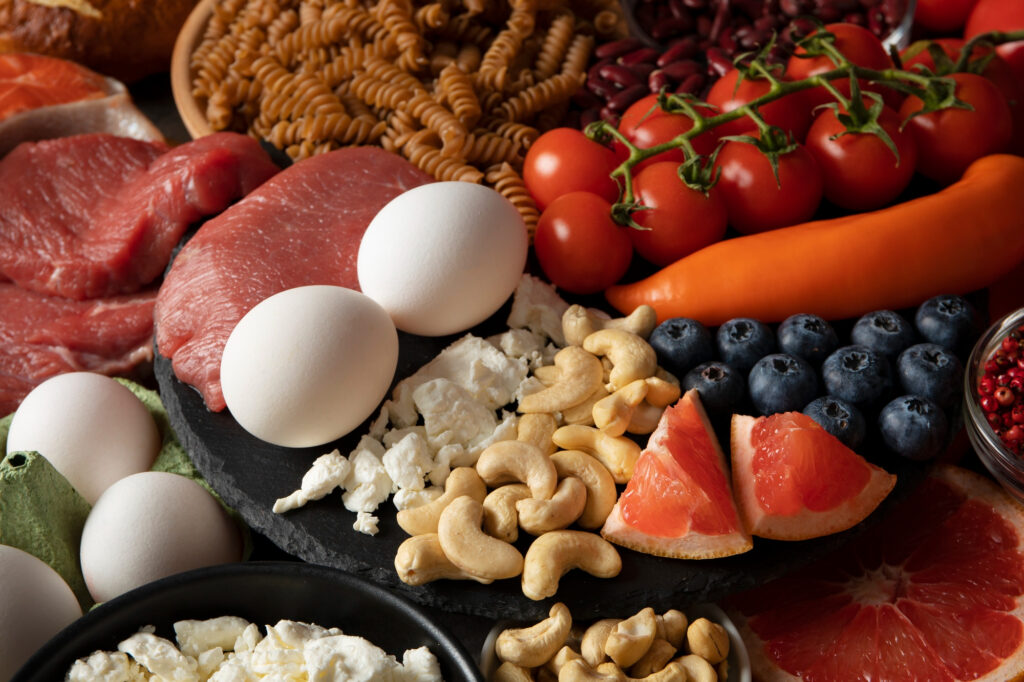
Local Protein-Rich Foods for Wound Healing:
- Meat & Fish: Beef, goat meat, chicken, tilapia, Nile perch.
- Legumes: Beans, lentils, green grams, cowpeas.
- Dairy & Eggs: Milk, yoghurt, eggs.
- Nuts & Seeds: Groundnuts, sunflower seeds, simsim (sesame seeds).
Tip: Aim for a source of protein in every meal—even breakfast. A cup of milk with porridge or an egg with chapati can make a difference.
2. Vitamins & Minerals: The Micronutrients That Power Healing
While protein builds the structure, vitamins and minerals are the tools your body uses to make that structure work.
Key Micronutrients for Wound Repair:
Vitamin C
- Function: Boosts collagen synthesis and strengthens connective tissue.
- Sources: Oranges, pawpaw (papaya), mangoes, guavas, sukuma wiki (kale), capsicum.
Vitamin A
- Function: Supports cell growth and helps your immune system resist infection.
- Sources: Carrots, sweet potatoes, pumpkin, spinach, liver.
Zinc
- Function: Essential for skin repair and immune defense.
- Sources: Meat, chicken, beans, pumpkin seeds, groundnuts
Iron
Function: Ensures oxygen reaches healing tissues.
Sources: Liver, red meat, spinach, ndengu (green grams).
3. Hydration: The Overlooked Healing Factor
Water might not seem like a nutrient, but it’s essential for transporting vitamins, removing toxins, and keeping your skin supple. Dehydration can slow healing and make your skin more fragile.

Daily Hydration Tips:
- Aim for 6–8 glasses of water a day.
- Include hydrating foods like watermelon, cucumber, and oranges.
- Avoid excessive alcohol or sugary drinks that can dehydrate you.
Local Kenyan Meal Plan for Wound Healing
Here’s an example of how you can put it all together
Breakfast
- Uji (millet or sorghum porridge) made with milk + a boiled egg
- A slice of pawpaw or mango
Mid-Morning Snack
- Handful of groundnuts or sunflower seeds
- A glass of fresh fruit juice (without added sugar)
Lunch
- Brown ugali with sukuma wiki and tilapia
- Fresh orange or guava
Afternoon Snack
- Yoghurt or maziwa mala (fermented milk)
- A banana
Dinner
- Rice and beans with pumpkin or carrots
- Glass of water or herbal tea
5. When to See a Specialist
If your wound is taking longer than expected to heal—despite good nutrition—it could be due to underlying health conditions like diabetes, poor circulation, or infection. In such cases, consult a wound care specialist for a personalized treatment plan.
Bottom Line:
A good wound healing diet isn’t about expensive supplements—it’s about eating protein-rich foods, plenty of fruits and vegetables, and staying hydrated. In Kenya, many affordable and locally available foods can give your body the boost it needs to recover faster.
Your next meal could be the medicine your wound needs.
