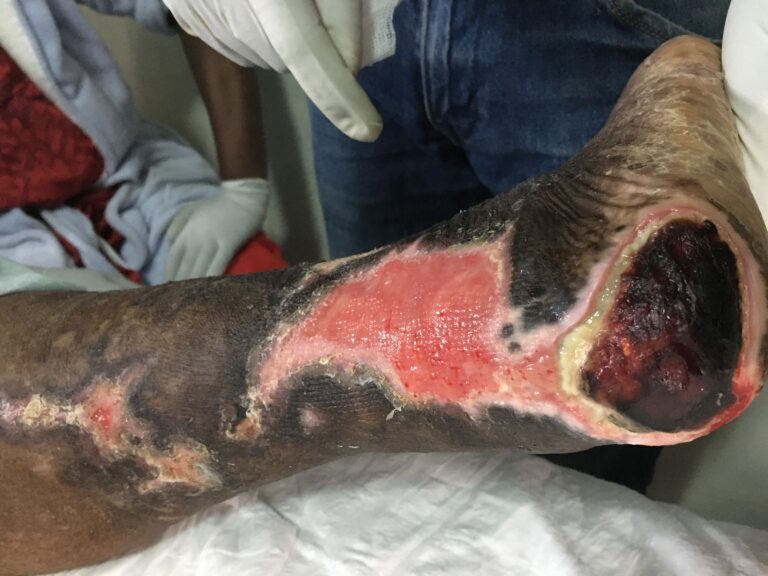
A small corn on the heel may seem harmless — but for people living with diabetes, it can mark the beginning of a dangerous journey. In this real case from our clinic in Nairobi, we managed a patient whose corn progressed to a Charcot wound with osteomyelitis.

Here’s how we treated it, and what every patient and clinician should know about diabetic foot ulcer care
Case Overview: When a Corn Becomes a Crisis
Our patient, a middle-aged adult with type 2 diabetes, came in with what began as a corn on the underneath the big toe. Over several weeks, it developed into a deep ulcer with a small opening and drainage. MRI imaging confirmed:
- Charcot foot deformity
- Pus collection around the joint
- Localized osteomyelitis (bone infection)
Despite the small surface wound, the infection had penetrated deeper tissue and bone.
Why Diabetic Feet Are at High Risk
Diabetes causes nerve damage (neuropathy) and poor blood flow, both of which delay wound healing. Many patients don’t feel pain or notice injuries early — especially in areas like the heel or sole.
If left untreated, pressure points (such as corns or calluses) can break down into ulcers, which may get infected and become life- or limb-threatening.
Our Wound Management Approach
At VitalCare Wound & Ostomy Care, we applied a structured, evidence-based care plan:
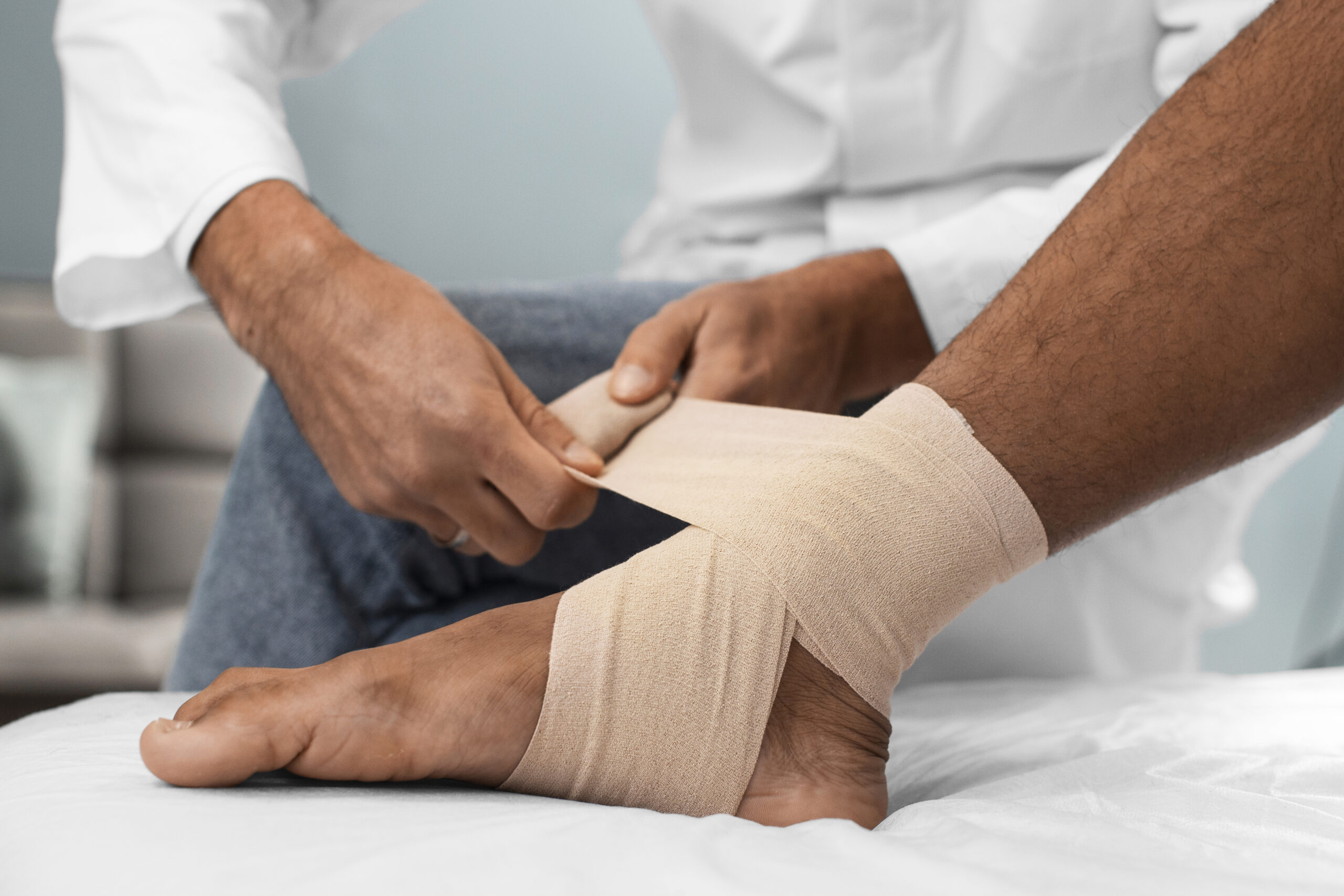
1. Wound Cleansing & Dressing
- Irrigated the wound using Qurion solution and normal saline
- Used Actisorb dressing for infection control and odor management
- Debrided the callus around the ulcer and assessed the depth using sterile probing
2. Infection Control
- Started IV antibiotics based on MRI and clinical signs of osteomyelitis
- Collected deep wound samples for culture-guided therapy
- Monitored CRP, WBC, and ESR to track infection
3. Offloading Pressure
- Used heel offloading boots and bed positioning to relieve pressure
- Advised long-term custom orthotics to prevent recurrence
- Avoided total contact casting due to heel wound location
4. Charcot Foot Management
- Educated the patient on strict non-weight-bearing and foot immobilization
- Scheduled follow-up imaging to monitor foot structure and stability
- Referred for orthopedic evaluation if bone collapse progresses
Patient Education: Preventing Diabetic Foot Ulcers
If you have diabetes, these steps can save your feet
- Inspect your feet daily for blisters, redness, or wounds
- Never ignore a corn, callus, or blister
- Wear protective, well-fitting shoes
- Keep your blood sugar controlled
- Visit a wound care or diabetic foot clinic regularly
Clinical Tips for Fellow Clinicians
- Always probe diabetic foot ulcers for depth and tunneling
- Be alert for hidden abscesses or osteomyelitis even in small-looking wounds
- Combine local wound care, infection control, and offloading
- Use MRI early if you suspect Charcot or bone infection
Get Expert Diabetic Foot Ulcer Treatment in Nairobi
At VitalCare Wound & Ostomy Care, we offer advanced wound healing, diabetic foot screenings, and personalized treatment plans. If you or a loved one has a non-healing wound or foot deformity, don’t delay — early intervention can save your limb.
Book an appointment
Contact us now for diabetic foot ulcer treatment in Nairobi.